


Listen to the article
As smartphone prices climb amid rising component costs, experts recommend focusing on software support, battery capacity, and ample memory and storage to ensure long-term value and reliable daily use.
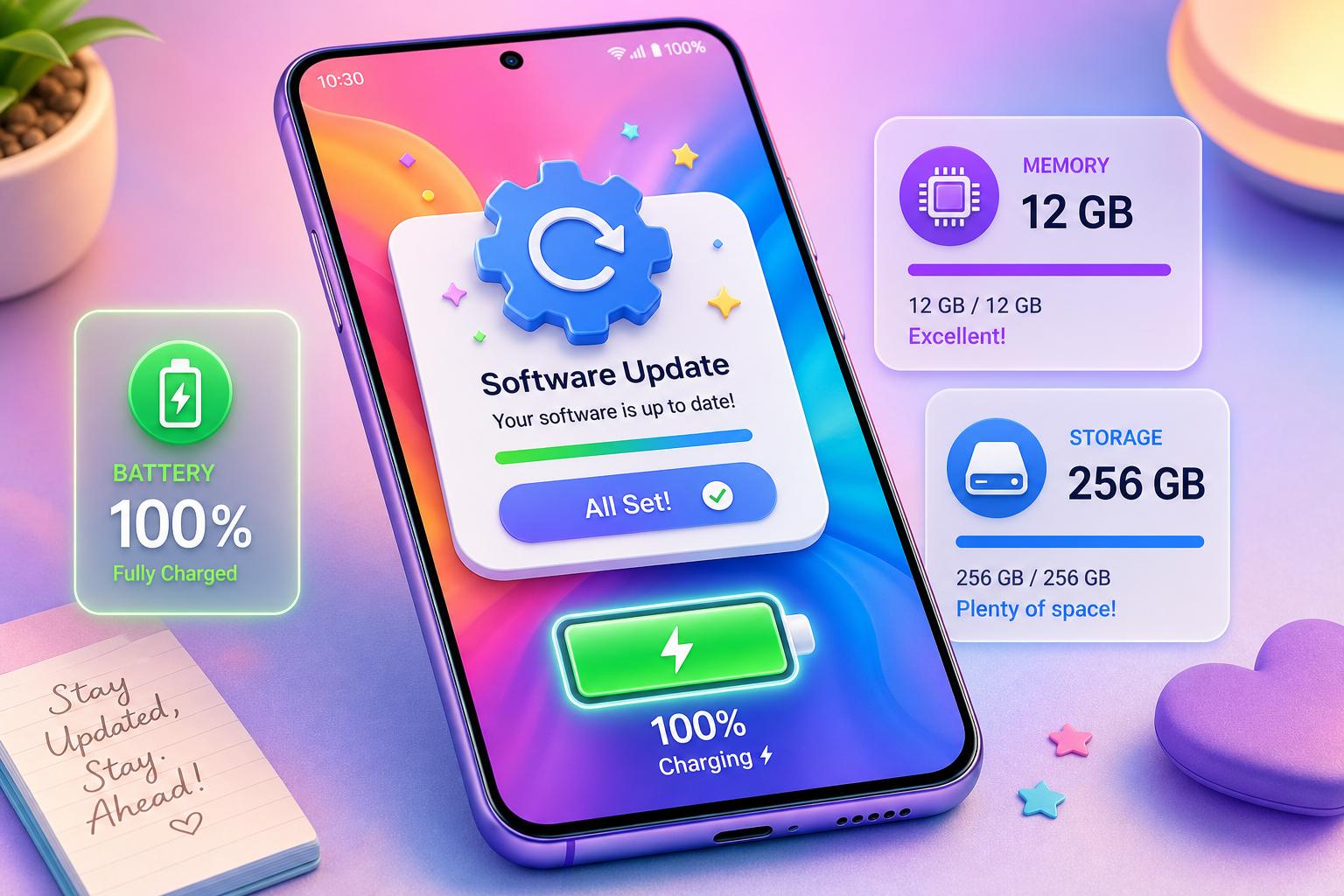
With smartphone prices rising this year as memory and component costs climb, buyers are under more pressure than ever to choose carefully. One way to avoid overspending, according to Android Police, is to focus on three practical specifications that matter more to everyday use than a flagship badge: long software support, a sizeable battery and enough memory and storage to keep the phone running smoothly for years.
The biggest priority, the site argues, is software support. That means not just feature upgrades, but security patches that close vulnerabilities and help protect private data. Android Police notes that Google and Samsung now promise seven years of updates for their flagship devices, and says shoppers should treat five years of support as a sensible minimum when buying a new phone. How-To Geek also explains that update promises begin from the phone’s release date, not the date of purchase, which makes support length especially important for anyone who keeps a handset for several years.
Battery capacity is the next area to watch. Android Police says a 5,000mAh battery should be seen as the baseline for reliable all-day use, although real-world endurance still depends on the processor, software tuning and screen efficiency. Its battery round-up shows that some top-end models can go further, with larger cells such as the 5,400mAh unit in the OnePlus 12 helping to stretch usage even more. In other words, capacity is only part of the story, but it remains one of the clearest indicators of how often a phone will need charging.
The final recommendation is to avoid skimping on memory and storage. Android Police says 12GB of RAM and 256GB of storage should now be the floor for a comfortable experience, even for people who do not play demanding games or edit video on their handset. The reasoning is straightforward: smaller memory pools are more likely to slow the phone down, while growing app sizes, camera files and on-device AI models quickly eat through modest storage allocations. Android Central’s reporting on Samsung’s expected long-term update plans for the Galaxy S26 also underlines how manufacturers are increasingly selling longevity as a premium feature, making these specifications more relevant than ever.
Source Reference Map
Inspired by headline at: [1]
Sources by paragraph:
Source: Fuse Wire Services