


Listen to the article
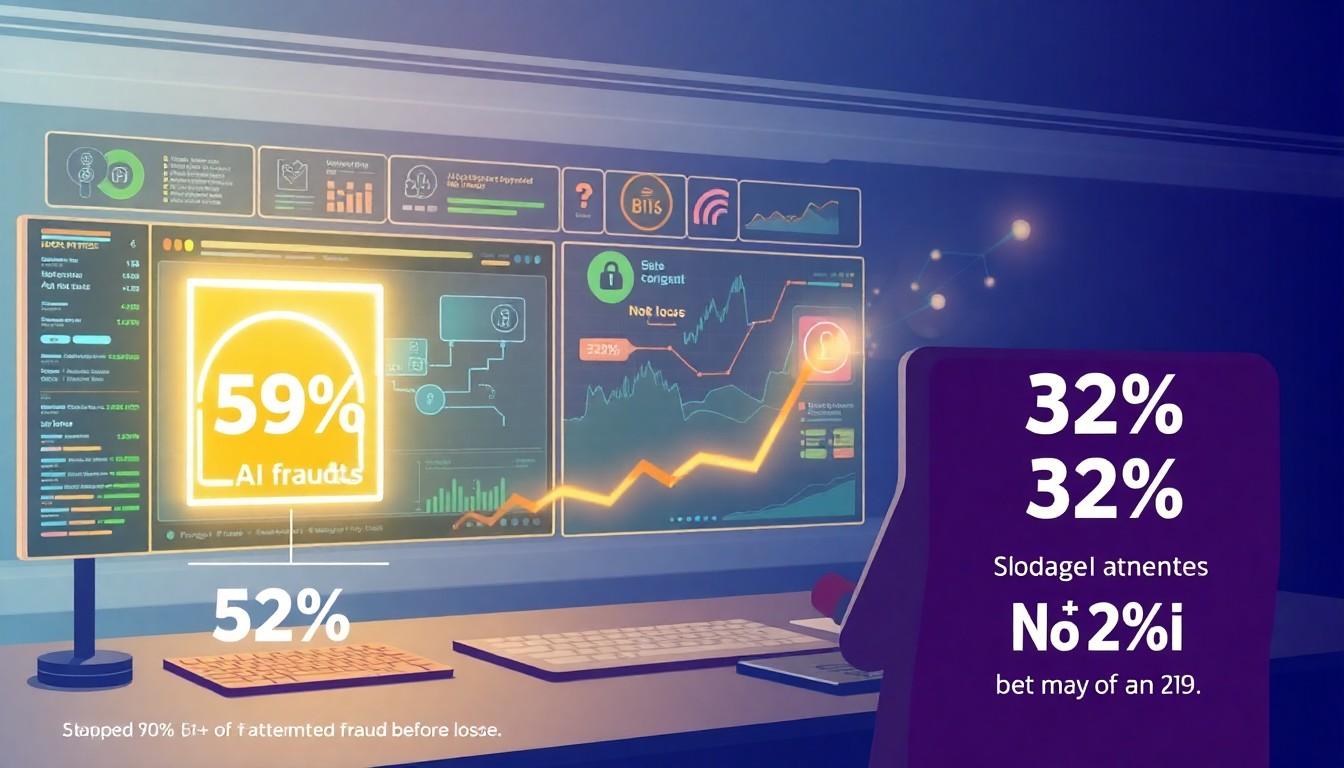
A PYMNTS Intelligence survey found 59% of firms using at least three AI fraud tools said they stopped 90% or more of attempted fraud before losses, compared with 32% of businesses using no AI.
Companies that use several artificial intelligence fraud tools appear far more likely to stop attempted theft before any money is lost, according to a PYMNTS Intelligence report produced with Bottomline. Based on a July survey of 150 US treasury and finance executives at companies with annual revenue of at least $100 million, the September study suggests that businesses are making the most progress when AI is paired with layered verification and tighter payment controls.
The clearest performance gap is among firms deploying at least three AI fraud detection tools. PYMNTS reported that 59% of those companies said they block 90% or more of fraud attempts before losses occur, compared with 32% of businesses using no AI tools at all. The report does not prove that AI alone is responsible for the difference, but it does indicate that firms combining multiple systems are reporting stronger outcomes.
The study also underscores that technology is only part of the answer. Most respondents said they require more than one person to approve new vendors or changes to bank details, while a similar share checks those requests against contact and banking information already held on file. That caution reflects the persistence of supplier impersonation, which the report says is the fraud tactic most often encountered by half of respondents who have seen AI-enabled attacks. The FBI’s Internet Crime Complaint Centre, meanwhile, warns that business email compromise often relies on impersonating trusted contacts to push unauthorised transfers, and advises firms to verify changes through a separate channel.
Even companies that have not yet adopted AI are moving towards it. PYMNTS said 58% of non-users are either implementing fraud-detection AI or expect to do so within 12 months, although concern about false positives remains high. According to the report, 89% of respondents worry about legitimate payments being flagged, and 74% are uneasy about automation without human approval. Bottomline’s summary of the research says 57% of businesses are still not using AI-powered fraud defences, but 58% of those non-users plan to add them within a year.
The broader message is that fraud prevention remains labour-intensive, even for well-resourced finance teams. PYMNTS found that 89% of finance leaders view vendor verification as a moderate or major burden, while 78% say the same about reconciling payments and accounts. At the same time, 81% expect to adopt or improve automated checks at vendor set-up and 75% plan to strengthen bank-account verification before payment. In other words, the report points to a defence strategy built not on AI alone, but on overlapping controls that make it harder for a convincing fraud attempt to succeed.
Source Reference Map
Inspired by headline at: [1]
Sources by paragraph:
Source: Fuse Wire Services