


Listen to the article
Global regulators are recalibrating ESG oversight, with Europe enforcing stricter disclosure rules and the US experiencing increased scrutiny and political resistance, creating a nuanced risk landscape for multinational companies in 2026.
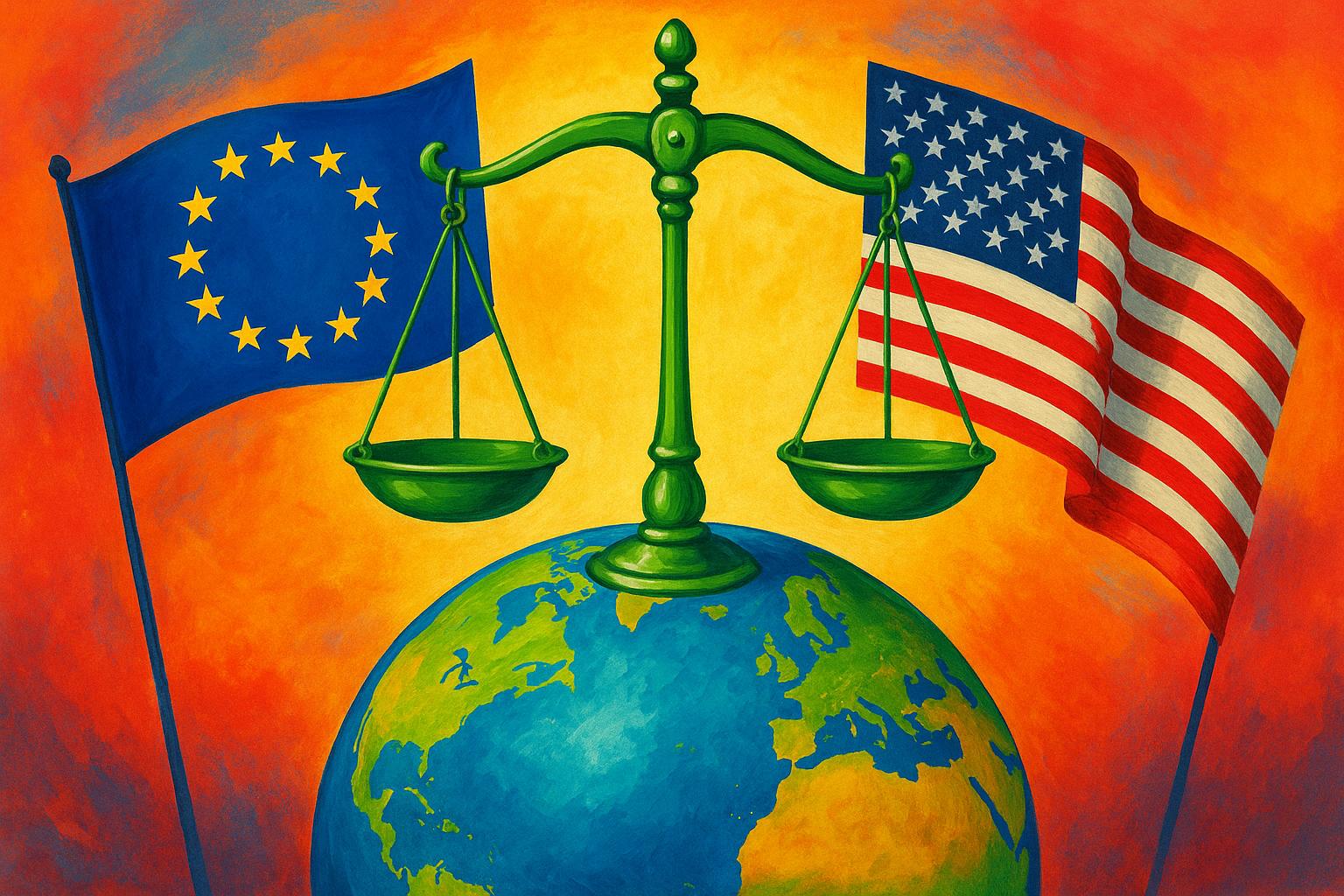
Regulators and prosecutors worldwide are recalibrating how they treat environmental, social and governance matters, creating a two‑track risk environment for companies in 2026. In Europe the emphasis is on bolstering mandatory sustainability disclosure and supply‑chain due diligence while pursuing enforcement where disclosures or operations fall short. At the same time, some parts of the United States have seen political headwinds that translate into investigations, litigation and heightened scrutiny of corporate diversity, equity and climate communications. (Sources: 2,4)
The European Union’s recent legislative adjustments have narrowed the scope of mandatory reporting and delayed certain obligations, but they also entrench tougher expectations for the largest firms. According to reporting on the Omnibus package, the Corporate Sustainability Reporting Directive will apply to EU companies above €450 million in turnover and 1,000 employees, while due diligence duties will be confined to very large undertakings, with further transposition periods and implementation timelines set by member states. These changes aim to reduce burdens on smaller suppliers while preserving a framework for greater transparency among sizeable corporates. (Sources: 2,4)
Despite a scaled‑back scope, the practical effect is a move toward more detailed, verifiable disclosures. Industry guidance and draft reporting standards envisage more granular metrics, external assurance mechanisms and digital reporting channels to support compliance. According to commentary on the implementation timetable, simplified European Sustainability Reporting Standards are expected to be finalised shortly after the directive enters into force and a centralised digital portal will provide guidance to reporting entities. This combination of prescriptive standards and digital tools will make it easier for regulators and civil society to test company claims. (Sources: 2,5)
Enforcers are also adapting, pressured by public concern and activist strategies that seek to treat environmental and human‑rights harms as predicates for existing criminal offences, including money‑laundering or consumer‑protection breaches. Legal commentators warn that such creative theories may increase investigations and private complaints in jurisdictions willing to explore them. At the same time, the EU has signalled additional time for national implementation so that authorities and companies can prepare for enforcement activity once rules are fully in force. (Sources: 1,6)
Companies already face an overlay of legal exposure from traditional laws that address misleading statements, fraud and customs or sanctions compliance. The revised EU rules limit how much information large firms may demand from smaller value‑chain partners, but firms remain obliged to identify and manage risks across their operations and supply chains. The practical upshot is that corporate reporting, third‑party due diligence and the quality of internal controls will increasingly determine whether regulators, litigants or activists can mount successful challenges. (Sources: 2,3,4)
National laws that predate the EU reforms continue to shape obligations at company level. For example, Germany’s Supply Chain Act requires covered businesses to assess and address human‑rights and environmental risks in their supplier networks and to publish annual risk analyses, an existing legal duty that will interact with the evolving EU regime and influence enforcement priorities at member‑state level. (Source: 7)
For multinational firms the message is twofold: prepare for deeper, more auditable sustainability reporting and stepped‑up enforcement in jurisdictions pressing the ESG agenda, while also managing political and litigation risk in areas where ESG initiatives face public or governmental pushback. Legal and compliance teams should expect a blend of criminal, regulatory and civil challenges centered on the accuracy of disclosures, the robustness of due diligence and the integrity of supply‑chain practices. (Sources: 1,3)
Source Reference Map
Inspired by headline at: [1]
Sources by paragraph:
Source: Fuse Wire Services